
Gas Line Installation and Repair Services
Certified gas piping installation, appliance hookups, leak repair, and pressure testing compliant with Connecticut fuel gas codes.
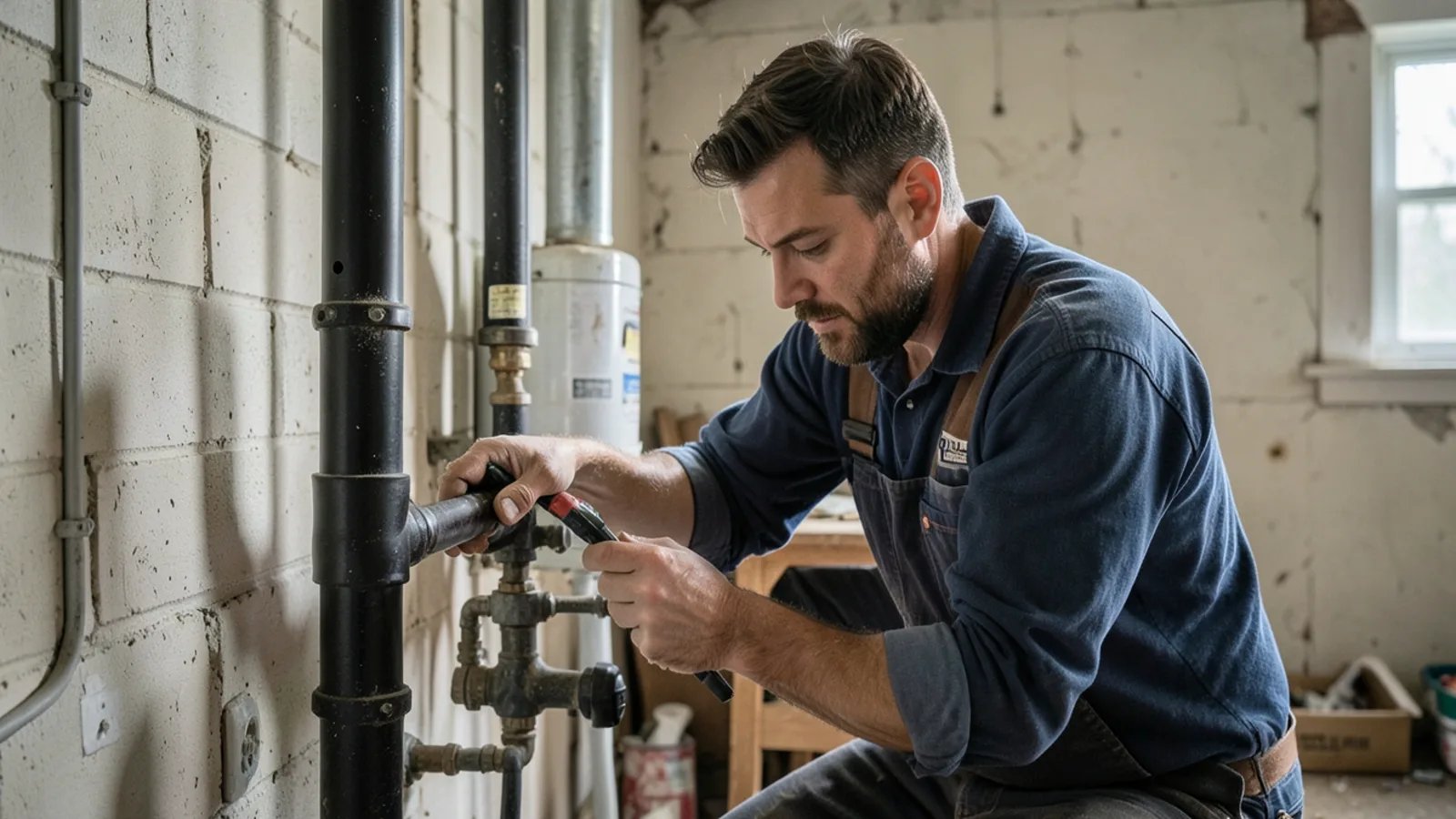
Certified Fuel Gas Piping for Natural Gas and Propane
Natural gas is an efficient, dependable energy source for heating, cooking, and hot water, but working with fuel gas demands absolute precision and strict trade compliance. A poorly threaded joint, improper pipe sizing, or unbonded gas line presents catastrophic fire and explosion risks.
In Connecticut, fuel gas piping must be installed exclusively by licensed master plumbing contractors (P-1) holding specialized trade credentials. Our technicians are fully certified and insured to install, extend, and repair black iron steel piping and corrugated stainless steel tubing (CSST) for natural gas and LP systems.
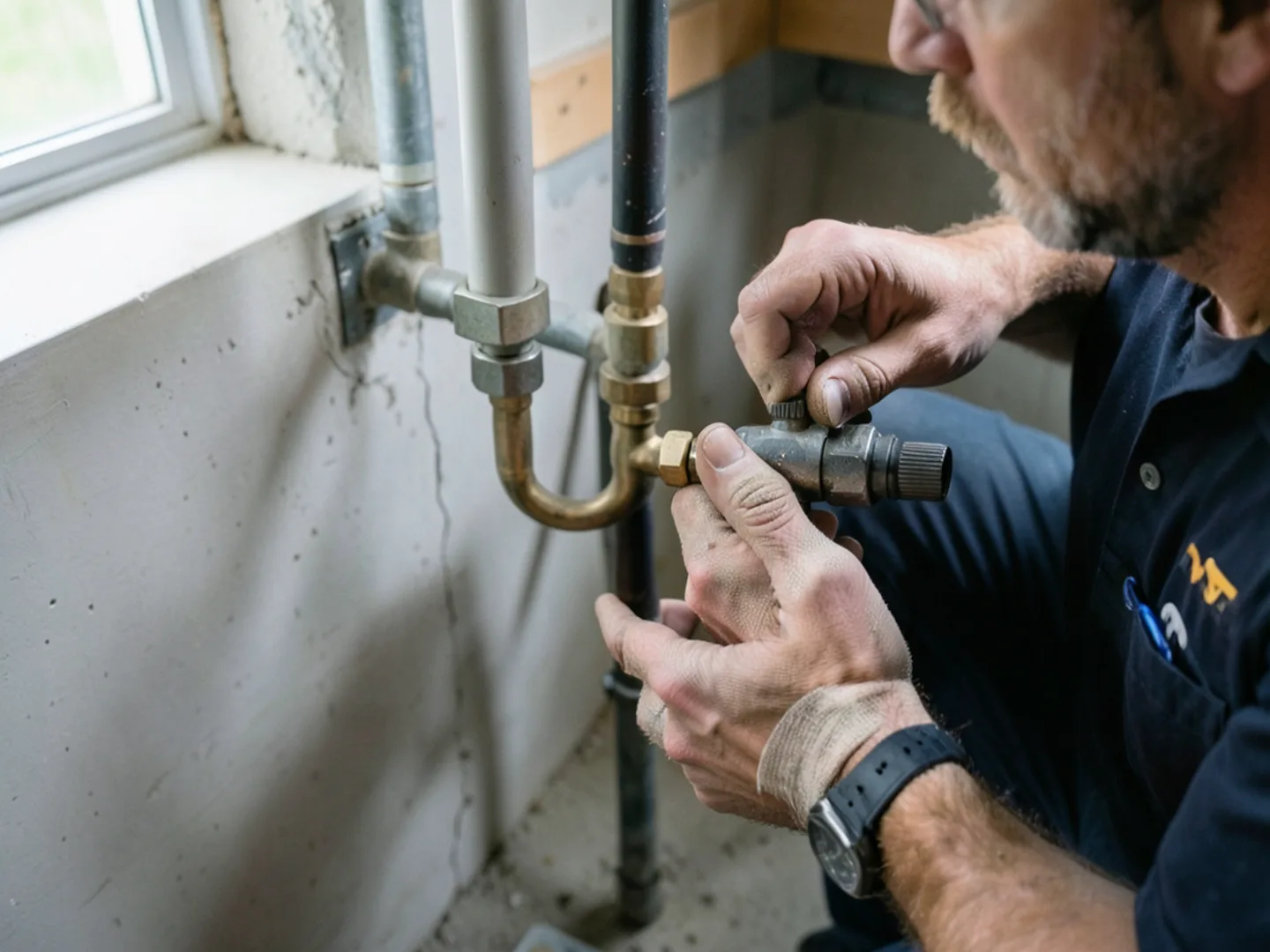
Appliance Gas Line Extensions and Conversions
Whether you are converting an electric kitchen range to a precision gas cooktop, adding a gas clothes dryer, installing a high-output tankless water heater, or running dedicated gas piping for a whole-house standby generator, we ensure proper supply capacity.
We calculate cumulative appliance BTU demand, select appropriate pipe diameters to prevent pressure drops under peak winter load, and install dedicated manual shutoff valves and flexible appliance connectors at each unit.
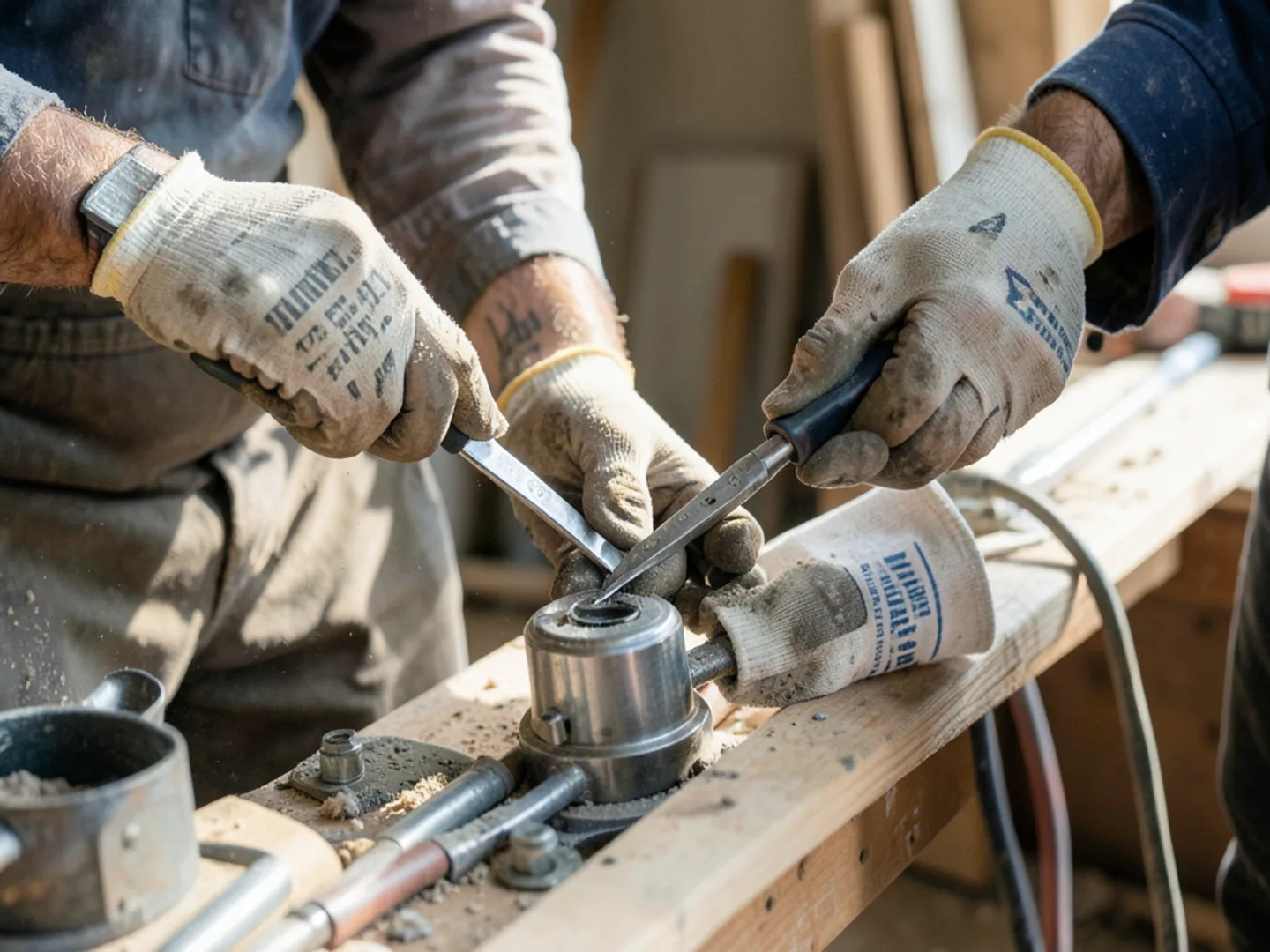
Mandatory Pressure Testing and Municipal Permitting
Every gas piping installation or alteration requires a formal plumbing permit filed with the local building department. In Ansonia, we coordinate permit filings through City Hall on Main Street.
Before any gas line is energized, our technicians conduct a rigorous pneumatic pressure test. We isolate the piping, pressurize the system with air to thirty pounds per square inch (PSI) on a calibrated diaphragm test gauge, and verify that the system maintains pressure without the slightest drop. The local municipal building inspector examines the gauge before Southern Connecticut Gas unlocks or connects the meter.
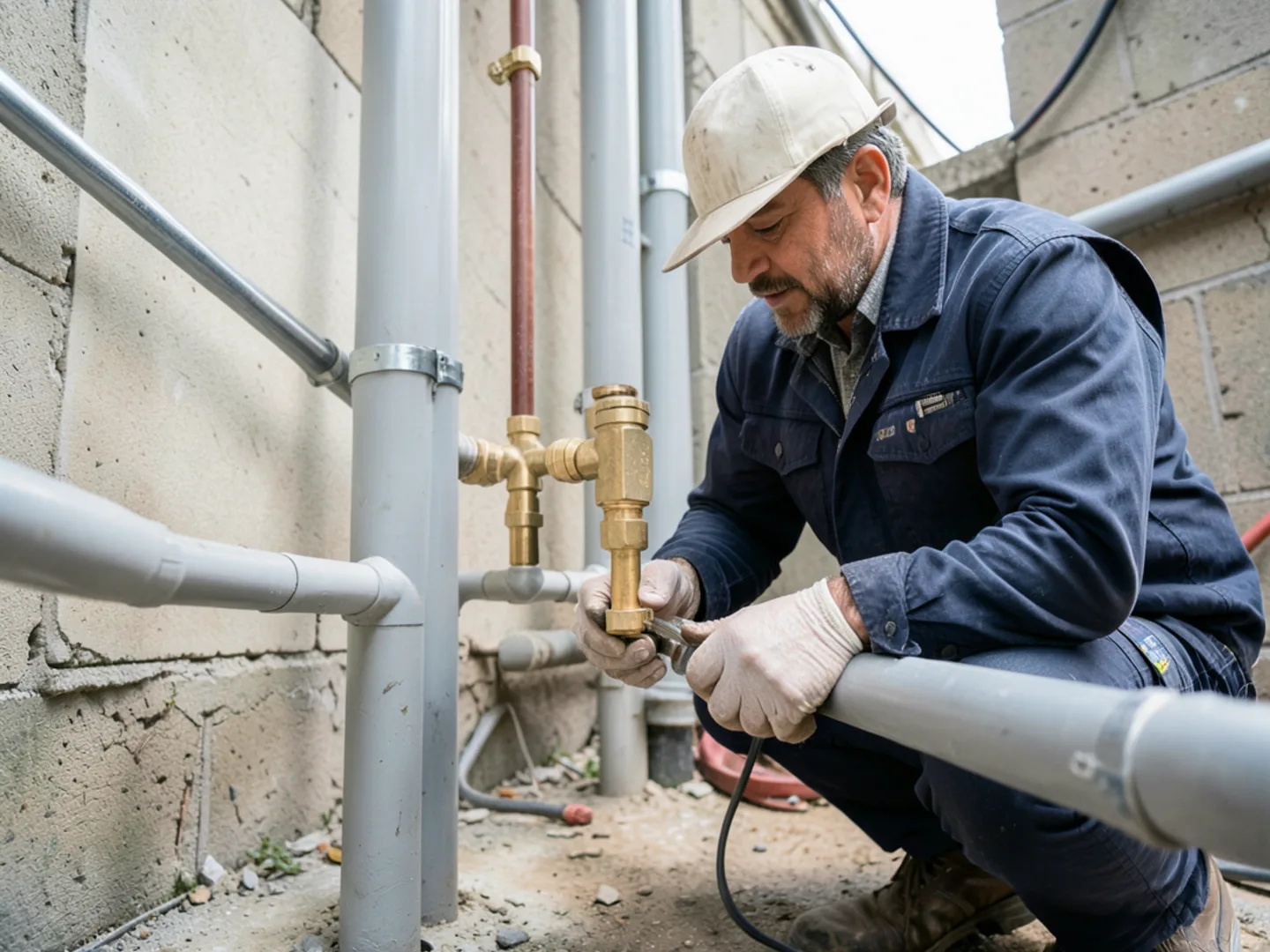
Emergency Gas Leak Detection and Safety Protocols
If you detect a rotten-egg sulfur odor inside your home, leave immediately. Do not operate light switches, use phones inside the building, or start vehicles. Call Southern Connecticut Gas or 911 from outside. Once the utility isolates the meter, our team performs precision electronic gas sniffing and bubble testing to pinpoint leaks, replace corroded fittings, and restore safety.
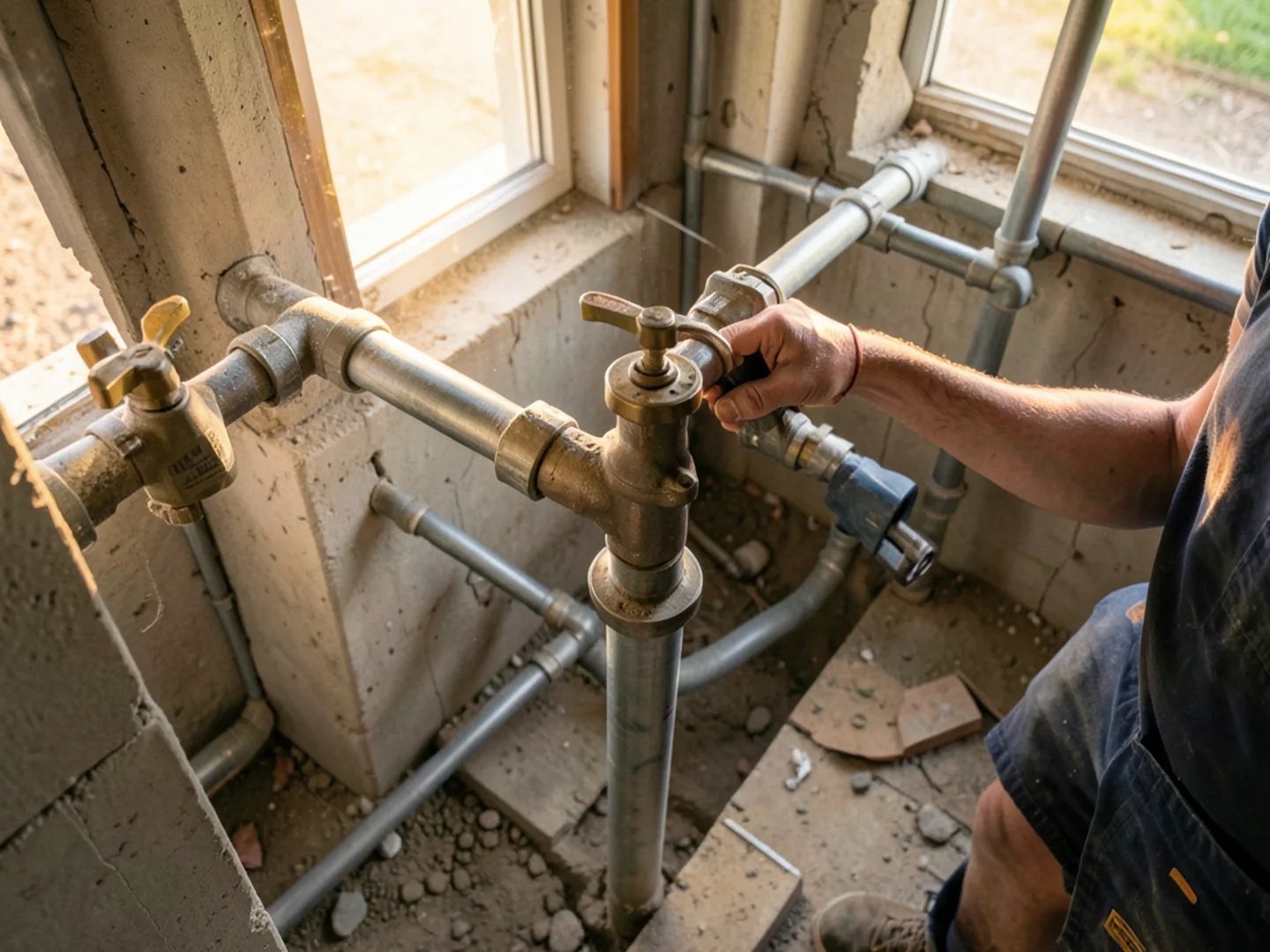
Fuel Gas Piping Engineering: Black Iron vs. CSST Tubing
Installing gas supply lines for kitchen ranges, clothes dryers, water heaters, and backup generators requires precise hydraulic flow calculations. We install traditional threaded black malleable iron pipe or modern Corrugated Stainless Steel Tubing (CSST) equipped with bonded electrical grounding.
CSST simplifies installation through floor joists while reducing threaded joints. We calculate total connected BTU loads across all appliances to verify gas meter regulators and supply pipe diameters deliver required fuel volume without pressure drop.
Rigorous Pressure Testing and Municipal Gas Permitting
All fuel gas work requires formal permits filed with the Ansonia Building Department and utility notification to Southern Connecticut Gas. Following installation, our technicians cap the line and perform a high-pressure pneumatic test using calibrated diaphragm test gauges, holding pressure for the full duration required by state building codes.
We inspect every joint with electronic combustible gas sniffers and micro-bubble detection fluid, certifying that the installation is completely gas-tight before appliances are connected.
Frequently Asked Questions: Gas Line Installation
No. Connecticut law mandates that fuel gas piping must be installed by a licensed plumbing contractor holding valid Department of Consumer Protection trade licenses (such as P-1 unlimited contractor).
Need Fast Help with Gas Line Installation?
Contact our licensed plumbers on Main Street in Ansonia. Immediate phone guidance and clear written estimates before work begins.