
Getting Your Sump Pump Ready for the Spring Thaw
Essential pre-spring maintenance steps to ensure your basement sump pump and battery backup system survive heavy snowmelt in the Valley.
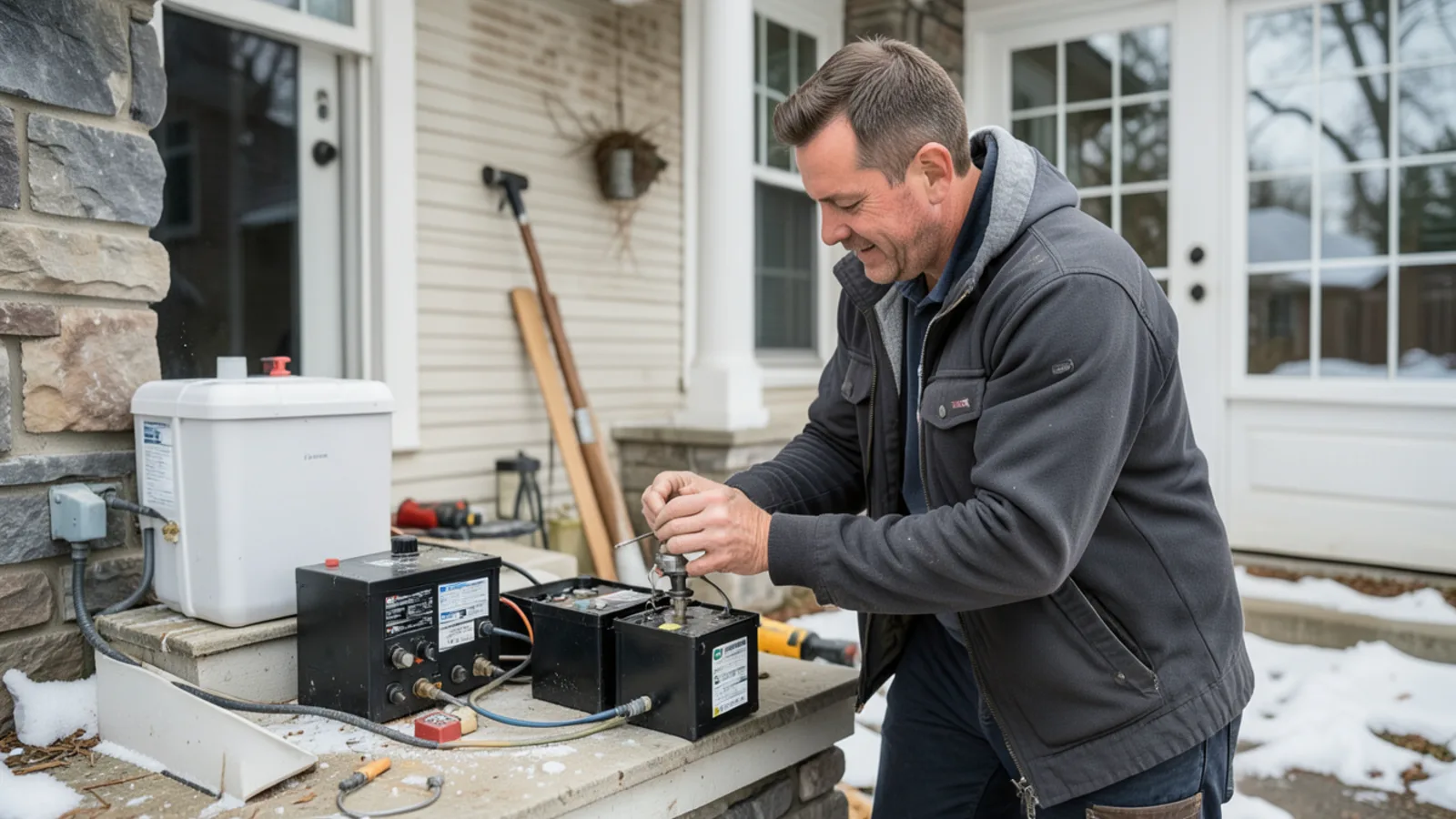
Spring Hydrostatic Pressure Along the Naugatuck River
March and April in the Lower Naugatuck Valley bring rapid snowmelt from upper watershed hills combined with heavy seasonal rains. As the Naugatuck and Housatonic Rivers swell, the surrounding groundwater table rises sharply, exerting immense hydrostatic pressure against residential basement foundations.
If your sump pump has sat dormant through the dry winter months with a seized float switch, failed check valve, or clogged intake screen, the first major thaw will result in inches of water covering your basement floor.
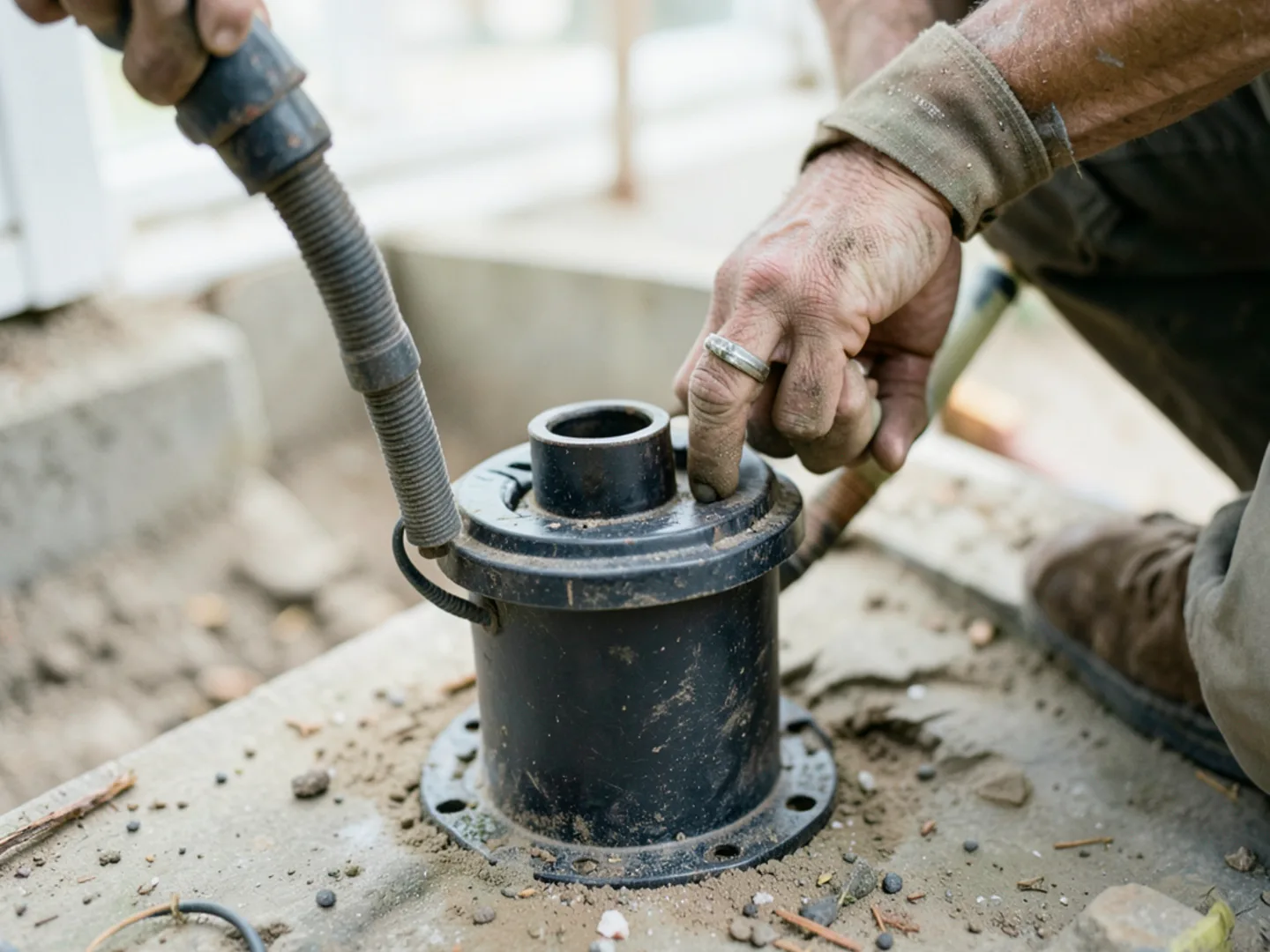
The 5-Step Sump Pump Spring Pre-Flight Inspection
Follow these practical testing steps before the ground thaws:
1. Inspect the Basin: Remove the pit cover and clear any accumulated silt, gravel, or debris that could jam the pump impeller.
2. Test the Float Switch: Pour five gallons of water into the basin. The pump should activate automatically once water reaches the float trigger and pump water down cleanly within ten to fifteen seconds.
3. Check the Check Valve: Watch the discharge pipe when the pump shuts off. If water rushes loudly back down into the basin, the internal flapper has failed, causing rapid motor burnout.
4. Verify the Exterior Discharge Line: Walk outside and ensure the discharge outlet is free of snow, ice dams, or rodent nests.
5. Test the Battery Backup: Unplug the primary pump AC power cord and trigger the auxiliary float switch to confirm the 12-volt battery backup pump operates at full capacity.