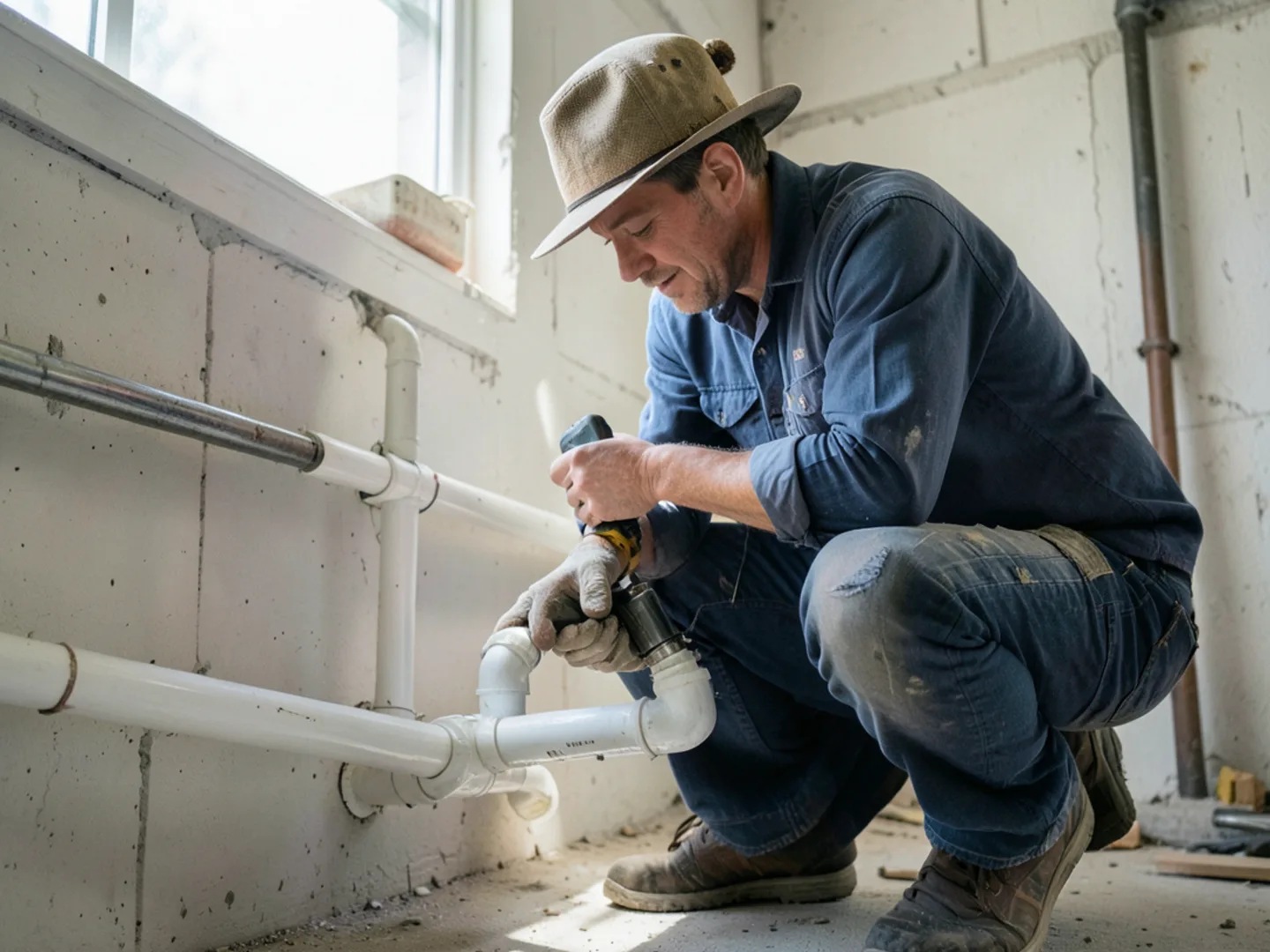
Outside Faucets, Hose Bibs and Fall Shutoff Steps
Step-by-step instructions to winterize outdoor sillcocks and prevent catastrophic spring pipe blowouts in Connecticut residences.
Why Outdoor Faucets Cause Costly Springtime Floods
One of the most deceptive winter plumbing disasters in Connecticut occurs at outdoor garden hose bibs. When a garden hose is left attached to an outdoor spigot during freezing weather, water cannot drain out of the brass valve body. When temperatures dip below freezing, the trapped water expands and splits the copper supply pipe inside the foundation wall.
Because the valve handle remains closed all winter, the homeowner never notices the fracture. In May, when the spigot is first turned on to water the garden, full municipal water pressure sprays into the basement ceiling rather than out the garden hose.
Proper Autumn Winterization Steps
Follow these autumn winterization steps before November 15:
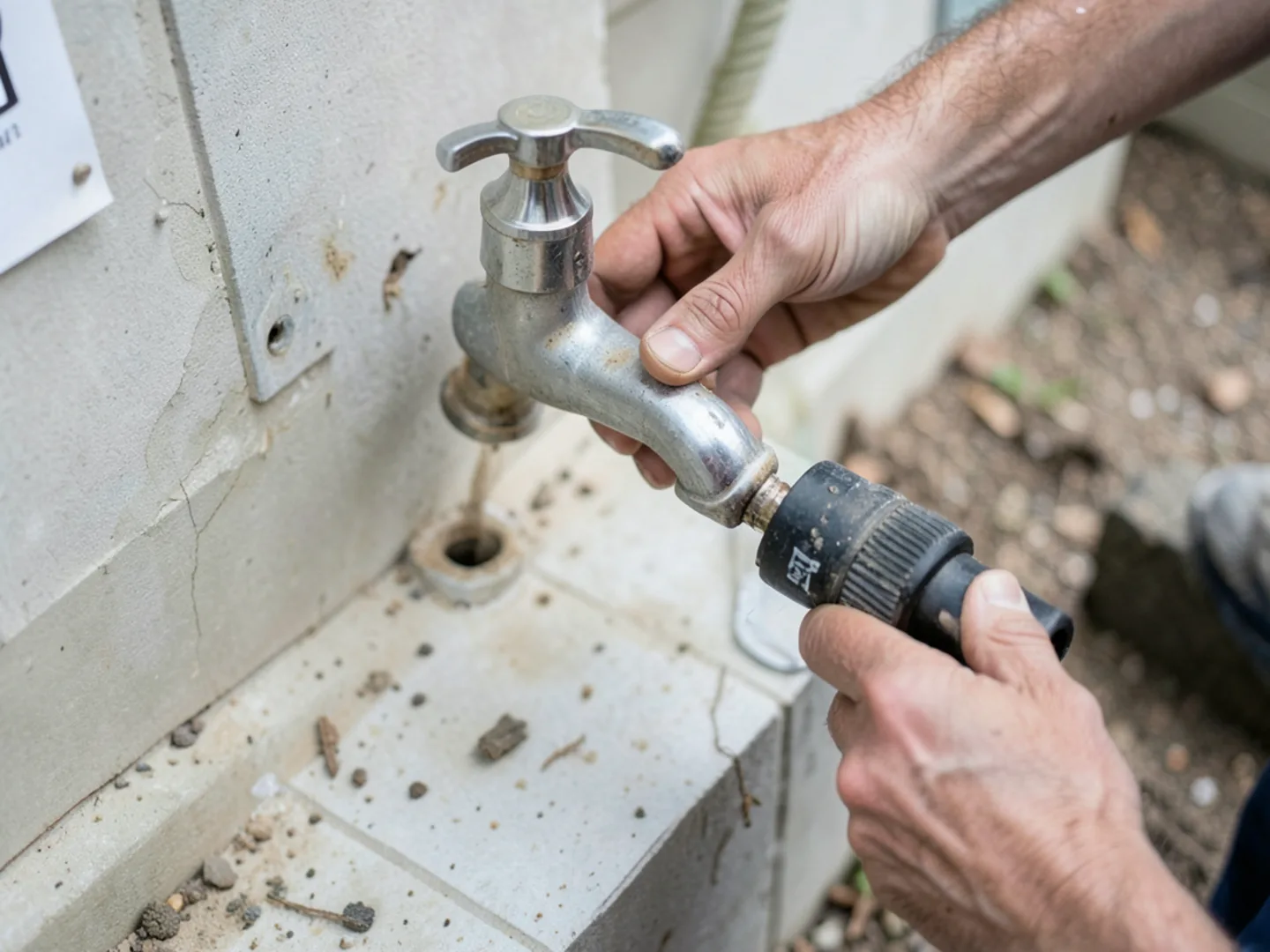
1. Disconnect All Hoses: Remove all garden hoses, timers, and splitters from exterior spigots.
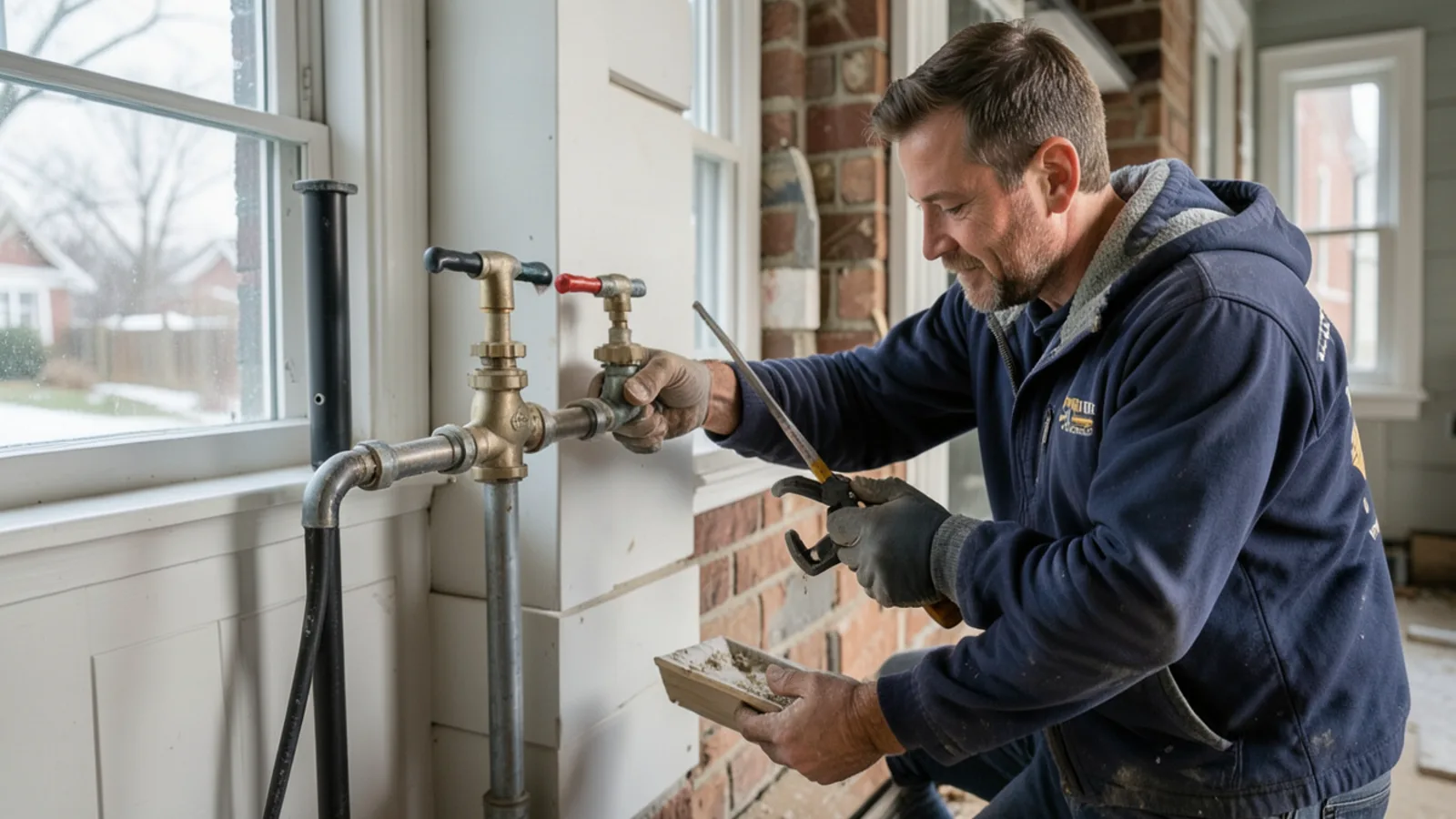
2. Close Interior Shutoff Valves: Locate the dedicated brass valve inside your warm basement labeled "Outside Faucet" and close it tightly.
3. Open the Outdoor Spigot: Turn the outdoor handle wide open to drain standing water.
4. Open the Interior Bleeder Cap: Place a small cup beneath the brass bleeder nut on the side of the interior valve and open it to drain trapped water vacuum.

Upgrading to Frost-Free Anti-Siphon Sillcocks
If your home has old-style brass spigots without indoor shutoffs, we recommend upgrading to modern frost-free sillcocks. These units place the actual shutoff seat twelve to fourteen inches deep inside your warm basement envelope, automatically draining the exterior pipe whenever the handle is closed.